


CNC lathe: 4 key selection criteria from turning to complex
2026-03-02
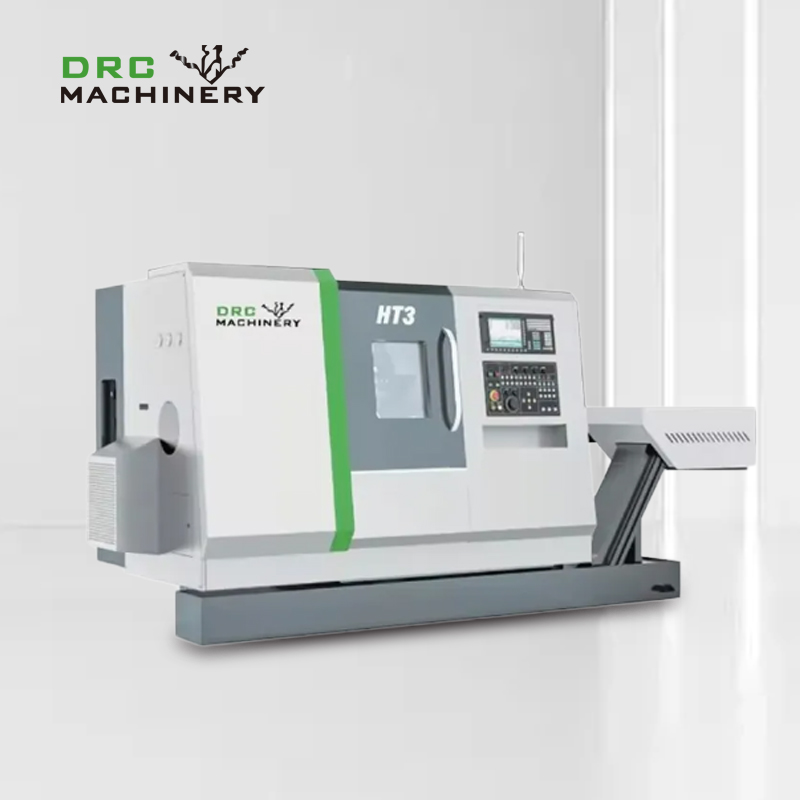
CNC lathe: 4 key selection criteria
The CNC lathe is the basis of modern machining. As part complexity and productivity demands increase, simple turning can no longer always meet the needs of factories. How to make the optimal choice between machines with a horizontal bed, an inclined bed and turning-milling complexes? In this article we will look at the key criteria that will help you not make mistakes.
- CNC lathe: determining the processing scenario
Before choosing a CNC lathe, it is important to clearly define what tasks it will solve.
One operation: For mass turning of shafts, discs and other similar parts, horizontal bed CNC lathes offer better value for money and easier maintenance. They are ideal for businesses specializing in standard products.
Complex Parts: To integrate multiple operations such as turning, milling, drilling and tapping, turn-mill systems reduce set-ups and improve machining accuracy and efficiency. This is especially true for the production of complex components in the aerospace and automotive industries.
- CNC lathe bed design: balance between rigidity and speed
The bed is the “skeleton” of a CNC lathe, and its design directly affects productivity and accuracy.
Horizontal bed: Provides easy chip removal, suitable for roughing, but has slightly less stability for high-speed cutting. Such machines are often chosen for small and medium-sized enterprises with a limited budget.
Inclined bed (45°/60°): Features high rigidity and efficient chip removal, ideal for high-speed and high-precision machining, becoming a dominant solution in the mid- to high-end market. It provides better dynamics and accuracy, which is critical for the production of precision parts.
- CNC Lathe Turret and Back Center: Parts that Determine Efficiency
Parts such as the turret and back center can make a significant difference in the productivity and process automation of a CNC lathe.
Hydraulic turret vs servo driven turret: The servo driven turret allows for faster tool changes and precise positioning, making it ideal for high volume, low volume production. Hydraulic is distinguished by reliability and lower cost.
Hydraulic back center vs CNC back center: CNC back center allows you to automatically clamp and follow the machining process, greatly increasing the level of automation. This is especially useful when working on long, thin parts where constant support is required.
- Adaptation of a CNC lathe to automation: an “entrance ticket” to the factory of the future
A modern CNC lathe must not only be accurate, but also be ready for integration into intelligent manufacturing systems.
Does the machine support automatic loading/unloading, gantry arms, or robot integration? This directly determines whether the equipment can be integrated into intelligent production lines and improve overall production efficiency.
Please note the supported communication protocols (e.g. PROFINET, EtherCAT) to ensure seamless interaction with MES and ERP systems. This will allow you to monitor your production process in real time and optimize resource management.
Conclusion
Choosing a CNC lathe is a strategic decision that will impact the efficiency and competitiveness of your operation for years to come. Don't just focus on price - it's important to consider machining scenarios, bed design, automation capabilities and long-term maintenance costs.
The right CNC lathe or turning-milling complex will become a reliable assistant in the implementation of your production plans and will help you stay one step ahead of your competitors.https://www.smpr.ru/
Пожалуйста, оставьте нам сообщение
-


-


-


-


QR code for DRC business consultation on WeChat
